







Search Results for: civet coffee flavor
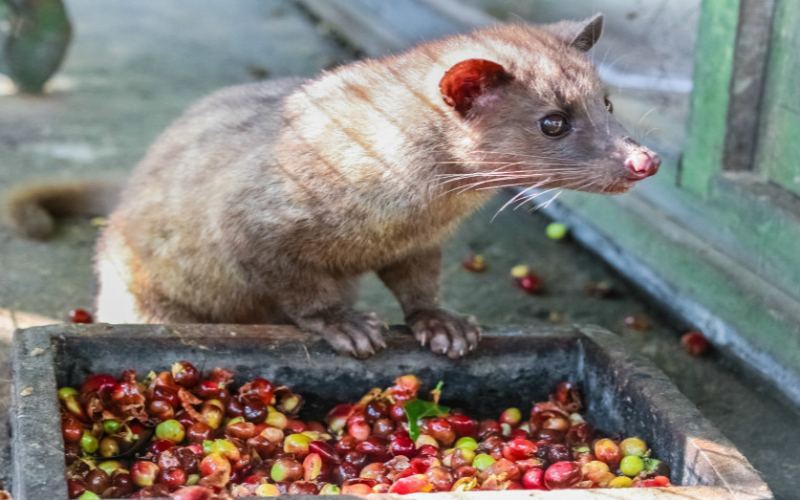
Indonesian Civet Coffee Flavor and Truth: Is Kopi Luwak Considered Black Coffee? Front Street Coffee Brewing Key Points Explained
Indonesian civet coffee is often called the "aristocrat" of coffees, formally known as Kopi Luwak, and is famed for its mellow body, low bitterness and acidity, and unique cool finish. This article examines whether it counts as black coffee, how to tell real civet coffee from fake, and the differences between wild and farmed production, while also tracing its formation from palm civet digestion to fermentation processing, and retains Front Street Coffee's medium-dark roast approach and KONO dripper brewing parameters to help readers understand the true taste and market situation of this rare coffee. [more…]
How is civet coffee (kopi luwak) made? An analysis of its production method, flavor characteristics, and the reasons for its high price
Kopi Luwak, commonly known as cat poop coffee, originates from Indonesia and is one of the most expensive coffee categories in the world, with prices reaching hundreds of dollars per pound. Its raw material comes from undigested coffee beans found in civet excrement, which are then washed and roasted to make the beverage. Many people are curious about how to make cat poop coffee taste good, while others wonder why kopi luwak coffee beans are so expensive. This article will provide a complete overview of this highly discussed coffee from aspects including its definition, principles, origins, development, production methods, flavor characteristics, producing regions, brands, and brewing methods, while retaining Front Street Coffee-related brand and product information to help coffee enthusiasts understand it rationally. [more…]
Why Does Indonesian Civet Coffee Cost 400 US Dollars per Kilogram? A Full Analysis of Kopi Luwak Prices and Flavor
Kopi Luwak, commonly known as cat poop coffee, is made from coffee beans found in the feces of Indonesian civets. Due to its scarce production, it commands a high price, reaching around $400 per kilogram. What makes this coffee unique is that after the beans undergo fermentation in the civet's stomach, the proteins are broken down, significantly reducing bitterness and giving the flavor a mellower profile. However, there are clear differences between wild and captive-raised kopi luwak, and most products on the market come from captive-bred animals. Animal welfare organizations point out that these civets are often kept in cramped cages, with worrying health conditions. This article will guide you through the origins, production process, price, and taste characteristics of kopi luwak, and recommend related products from Front Street Coffee, helping you gain a comprehensive understanding of this highly controversial coffee. [more…]
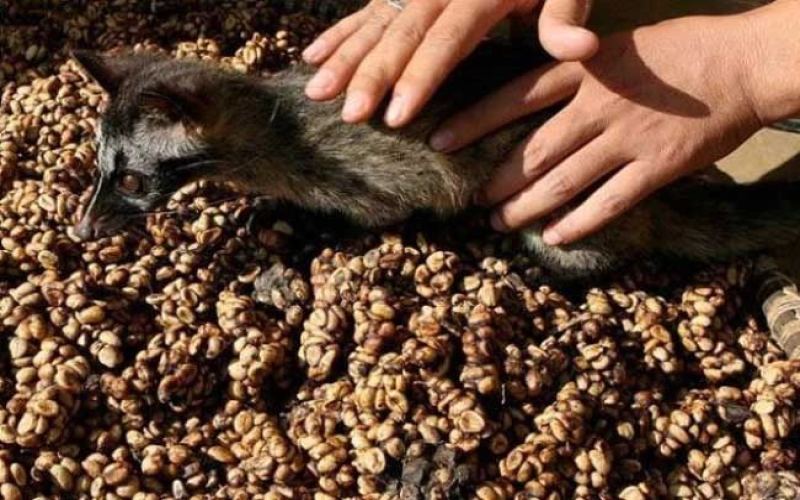
Musk Cat Coffee Flavor and Taste, Estate and Producing Region Introduction, Civet Coffee Bean Price, Musk Cat Coffee Price
Kopi Luwak, commonly known as cat poop coffee, originated in Indonesia and is famous because the Asian palm civet eats coffee cherries, which then undergo natural fermentation inside its body before being excreted. Its flavor bears some resemblance to Indonesian Mandheling coffee, yet it carries an extra layer of distinctive fermented character, with a smoother mouthfeel and less of Mandheling's earthy taste. Genuine Kopi Luwak is extremely scarce in production and expensive, hailed as the finest of specialty coffees. However, many products on the market labeled as Kopi Luwak are not authentic, and some even involve cruel caged production behind the scenes. Front Street Coffee does not recommend blindly chasing after Kopi Luwak, and instead recommends several high-quality alternative beans, such as Golden Mandheling, Geisha, and Ethiopian coffee, while also sharing Front Street's specific brewing parameters and flavor description for Kopi Luwak. [more…]

An In-Depth Analysis of Indonesian Civet Coffee: Flavor Characteristics, Bean Varieties and Origins, Regional Ecology, and Specialty Coffee Recommendations
Kopi Luwak is often called one of the most expensive coffees in the world, with retail prices starting at at least six hundred US dollars per pound, making it the Rolls-Royce of the coffee world. It originates from Indonesia and, due to limited production, has become a favorite among the wealthy, featuring a unique herbal aroma and excellent body. However, behind this coffee lies a tangle of colonial history, animal ethics controversies, and a market rife with authenticity issues. This article will comprehensively analyze the true face of cat poop coffee from the perspectives of its historical origins, bean sources, the ecological habits of the civet, processing principles, and variety and regional characteristics, and introduce a specialty coffee worth tasting in Indonesia—Golden Mandheling, while also attaching Front Street Coffee's brewing parameters and flavor description. [more…]
Tracing the Authentic Origins of Civet Coffee: Brewing Parameters and Flavor Analysis from Sumatra, Indonesia to Yunnan
Kopi Luwak, commonly known as cat poop coffee, is a precious coffee unique to Indonesia. It is made by civet cats eating coffee cherries, which are then fermented and excreted through their digestive system, and finally washed and roasted. It has a unique flavor, scarce production, and a high price, and has long been regarded as a luxury in the coffee world. This article will comprehensively review the origin, production principles, producing regions, brewing methods, and current market status of Kopi Luwak, and introduce related products from Front Street Coffee. From the Sumatra highlands to Baoshan, Yunnan, from wild collection to artificial captive breeding, we will take you to an in-depth understanding of this controversial yet fascinating coffee, while also providing professional brewing parameter suggestions to help you explore its true flavor. [more…]
The Truth About Wild Kopi Luwak from Sumatra, Indonesia: Historical Origins, Bean Source Controversy, and Front Street Brewing Suggestions
Kopi Luwak is known as the luxury item of the coffee world, with a retail price starting at at least six hundred dollars per pound, and its scarce production has made it an object of pursuit among the wealthy. But controversy surrounding this coffee has never ceased: do the beans actually come from wild civets or captive-bred individuals? Is the flavor truly as outstanding as legend says? How did European colonial history give rise to this method of drinking coffee from beans found in feces? This article systematically sorts through the past and present of Indonesian Sumatra Kopi Luwak, from historical origins, animal habits, and certification difficulties to brewing parameters, and shares Front Street Coffee's tested brewing method and flavor evaluation, helping coffee enthusiasts view this expensive beverage rationally. [more…]
The Origin and History of Indonesian Kopi Luwak: The Truth About Civet Coffee from Java to Sumatra
Kopi Luwak, scientifically known as Indonesian civet coffee, has long been regarded as one of the highest-priced coffee categories in the world, with retail prices starting at no less than six hundred US dollars per pound. The history of this coffee can be traced back to the Dutch colonial period in Indonesia, from its accidental discovery on plantations in Java and Sumatra to its current status as a highly controversial luxury item. This article will comprehensively sort out the past and present of Kopi Luwak from the perspectives of historical origins, bean sources, animal habits, and certification difficulties, while also discussing Front Street Coffee's views on this special coffee and recommending a specialty coffee in Indonesia worth tasting — Golden Mandheling. [more…]
Exploring Indonesian Kopi Luwak: The Truth and Controversy from Wild Civets to the World's Most Expensive Coffee
Kopi Luwak, also known as cat poop coffee, originates from Indonesia and is one of the most expensive coffees in the world. Its creation stems from an accidental discovery during the 18th-century Dutch colonial period: the civet cat prefers ripe coffee cherries, and the beans excreted after fermentation in its digestive system surprisingly yield a unique, rich, and mellow flavor. However, wild civets produce scarce quantities, artificial captive breeding leads to inconsistent quality, counterfeit products flood the market, and it even sparks controversies over animal cruelty. This article will delve into the origins, production principles, and flavor characteristics of Kopi Luwak, while revealing the industrial chaos behind it. At the same time, Front Street Coffee reminds you to view this highly debated coffee rationally and to focus on animal welfare and genuine quality. [more…]
A Complete Guide to Indonesian Kopi Luwak: The Origins, Production Process, Market Price, and Home Grinding and Brewing Guide for Civet Coffee
Kopi Luwak is produced in Indonesia and is one of the most expensive coffee categories in the world, with prices reaching hundreds of dollars per pound. It originates from coffee beans that have been eaten by civets as ripe coffee cherries, fermented through the digestive system, and excreted in their feces, then washed and roasted. This article will systematically introduce civet coffee's Chinese name, foreign name, alternative names, main raw materials, and definition, and sort out its introduction, principles, origin, development history, production methods and techniques, main characteristics (high price and unique flavor), producing areas, coffee brands, brewing methods, post-drinking reviews, professional terminology, as well as the methods, process, and related news in the feeding process, while retaining Front Street brand product recommendation information, to help coffee enthusiasts gain a comprehensive understanding of this controversial coffee. [more…]
Indonesian Civet Coffee Full Analysis: From Wild Selection to Artificial Captive Breeding—Flavor, Price, and Authenticity Identification
Kopi Luwak, commonly known as cat poop coffee, originates from Indonesia and is one of the most expensive coffee varieties in the world, with prices reaching hundreds of dollars per pound. Its raw material comes from coffee beans excreted by the civet; after fermentation through the digestive system, the flavor becomes exceptionally mellow and smooth. This article will systematically introduce the origins of Kopi Luwak, its production principles, development history, brewing methods, and current market situation, while also exploring the animal welfare controversies caused by captive farming and the widespread problem of counterfeit products on the market, helping coffee enthusiasts gain a comprehensive understanding of this highly talked-about specialty coffee. [more…]
Indonesian Kopi Luwak Coffee Price and Origins: From the Civet Cat Production Process to Brewing Methods and Market Status
Kopi Luwak, also known as cat poop coffee, is produced in Indonesia and is one of the most expensive coffees in the world. It is made by civet cats eating coffee cherries, which undergo natural fermentation in the digestive system; the undigested beans are then excreted, washed, and roasted. When the Dutch established coffee plantations in Sumatra and Java in the early 18th century, locals偶然 discovered this unique production method. Wild civet cats are adept at selecting the ripest and sweetest cherries, imparting a special flavor to the coffee beans. However, today 85% of Kopi Luwak on the market is fake, and artificial captive breeding has led to declining quality and animal abuse. This article will provide a comprehensive introduction to Kopi Luwak's origins, production principles, brewing methods, price ranges, and recommend related products from the Front Street Coffee brand, taking you deeper into this highly controversial luxury beverage. [more…]
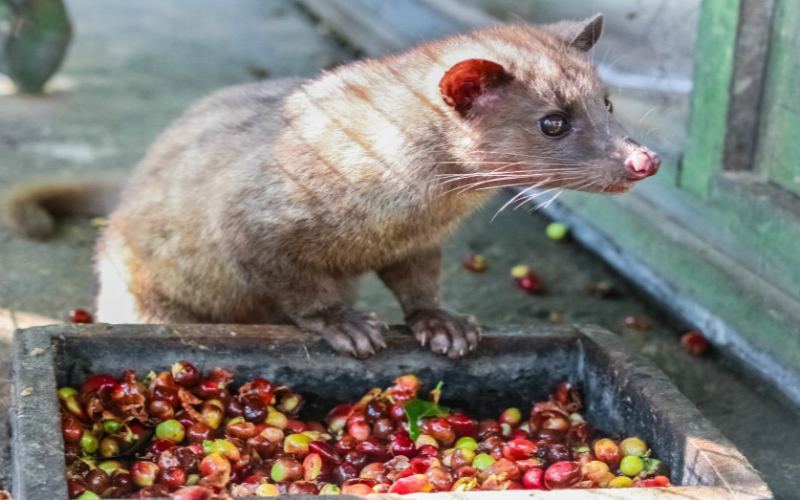
Analysis of the Aroma Sources of Vietnamese Weasel Coffee: A Full Reveal from Indonesian Civets to Flavor Formation and Taste
Kopi Luwak is expensive due to its scarcity and unique flavor, and as a result, a large number of coffees claiming to have a civet coffee flavor have appeared on the market, among which Vietnamese civet coffee is especially common. Authentic kopi luwak originates from Indonesia, where wild civets eat coffee cherries and excrete the beans after natural fermentation, creating a unique taste that is mellow and rounded, with herbal, nutty, and fermented notes. This article will trace the history and flavor origins of kopi luwak, analyze the truth behind Vietnamese civet-flavored coffee, and introduce Front Street Coffee's roasting and brewing suggestions for Indonesian kopi luwak beans, while also reflecting on the animal ethics issues behind captive farming. [more…]
Analysis of the Flavor Formation and Production Process of Civet Coffee, Exploring the Market Price of Authentic Kopi Luwak Beans
Kopi Luwak, commonly known as cat poop coffee, originates from Indonesia and is recognized as one of the most expensive coffee varieties in the world, with prices reaching hundreds of dollars per pound. Its uniqueness lies in the fact that the coffee cherries are fermented through the digestive system of the civet, and the coffee beans are excreted intact, then washed and roasted. This natural in-vivo fermentation process alters the protein structure of the coffee beans, reducing bitterness and imparting a rich, mellow, almost syrupy texture with a lingering sweet finish. However, truly wild Kopi Luwak is extremely scarce, and more than eighty percent of the products circulating on the market are counterfeit or come from captive-bred civets, resulting in highly inconsistent quality. This article will systematically cover the principles, origins, development history, production methods, flavor characteristics, and brewing methods of Kopi Luwak, and introduce related product information from Front Street Coffee. [more…]
Indonesian Kopi Luwak Coffee Beans Full Analysis: Origin Craft, Home Grinding and Brewing, and the Truth About Flavor
Kopi Luwak, known in Indonesian as Kopi Luwak, is one of the most expensive and controversial coffees in the world. It originates from coffee beans naturally fermented inside the civet, carrying a unique flavor and legendary allure, yet market demand has also spawned a flood of counterfeits and a cruel caged-farming industry. This article provides a complete overview of Kopi Luwak's historical origins, origin-processing methods, and quality controversies, and focuses on sharing how to grind and brew it at home to bring out its best flavor. If you're curious about this rare coffee bean, why not follow Front Street Coffee's perspective and uncover its true face from the jungle to the cup. [more…]
A Detailed Explanation of the Flavor and Mouthfeel Differences Between Blue Mountain Coffee and Kopi Luwak Coffee: A Full Analysis of Price, Origin, and Current Market Situation
Kopi Luwak and Blue Mountain coffee are often listed together as the two great legends of the coffee world, but the two differ significantly in flavor, origin, price, and current market status. Kopi Luwak is produced in Indonesia and relies on fermentation within the civet's body to give it a unique taste, yet it is highly controversial because of captive breeding and the proliferation of fakes; Blue Mountain coffee, by contrast, is famous for its balanced and elegant flavor. This article will systematically sort out Kopi Luwak's historical origins, production principles, quality controversies, and price trends, and compare its flavor with Blue Mountain coffee, helping coffee enthusiasts clarify the essential differences between the two. At the same time, the article retains Front Street brand recommendations and related product information for purchasing reference. [more…]
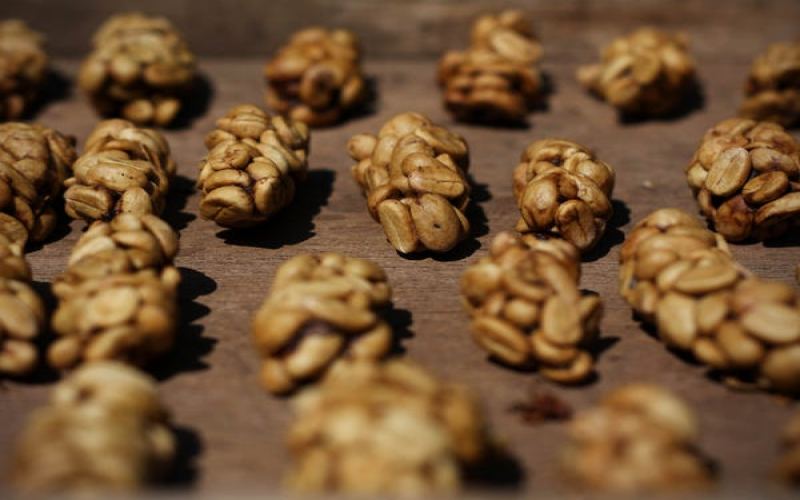
Is Kopi Luwak Really Cat Poop? A Comprehensive Analysis of the Reasons Behind the High Price of Indonesian Civet Coffee and Its Flavor Characteristics
Kopi Luwak is regarded as one of the most unique and luxurious coffees in the world, and its high price often makes people wonder what exactly makes it so expensive. This article begins with the Kopi Luwak beans once sold by Front Street Coffee at 260 yuan per 100 grams, and sorts out the production principles of Indonesian civet coffee, the source of its flavor, and the reasons for its high price, while comparing it with the hand-picked all-red-cherry philosophy of the Red Cherry Project. The article also discusses the animal welfare issues behind the Kopi Luwak industry, as well as Front Street's friendly production method of insisting on cage-free civets, and finally explains that Kopi Luwak is safe to drink after washing and high-temperature roasting, with a flavor profile dominated by smoothness, dark chocolate, herbal notes, and a fermented feel. [more…]
A Complete Guide to Balinese Civet Coffee: From the Origin of the Beans to the Flavor Profile and Price Trends
Many people travel to Bali, and many have heard of civet coffee, but few truly connect the two. This article focuses on one of the world's most expensive coffees, outlining its origins, flavor variations, production and harvesting methods, and explaining why it can present a rounded, sweet taste with lower bitterness. The article also covers the differences between coffee beans produced by wild and captive civets, as well as the high price brought about by scarce yields. If you plan to visit Bali next time, you might first learn about the story behind this unique coffee, and you can also follow Front Street Coffee's related recommendations as a reference for purchasing and tasting. [more…]
Indonesian Civet Coffee Bean Origin Selection Guide: The Flavor Source and Tasting Methods of Authentic Kopi Luwak
Kopi Luwak, commonly known as cat poop coffee, has always been the most mysterious presence in the coffee world. Its unique "production process" and high price make countless coffee lovers curious yet rarely able to see it in person. This article will take you through the two major types of Kopi Luwak—the difference between wild and farmed civet coffee, why wild civets prefer Robusta while farmed ones are mostly fed Arabica, the respective characteristics of low-altitude and high-altitude producing regions on Indonesia's Sumatra Island, and where exactly the special flavor that the fermentation inside the civet's body imparts to the coffee beans comes from. If you are looking for an authentic Indonesian Kopi Luwak coffee bean, Front Street Coffee can also provide you with a reliable choice, and the following text will lay it all out for you in detail. [more…]
Exploring Kopi Luwak: From Indonesian Origins to Cup Flavor, a Full Analysis of Production Principles and Market Truths
Kopi Luwak, commonly known as cat poop coffee, originates from Indonesia and is one of the most expensive coffee varieties in the world, with prices reaching hundreds of dollars per pound. Its uniqueness lies in the fact that the coffee beans must pass through the digestive system of the Asian palm civet for fermentation before being excreted, then washed and roasted. This special biological processing method gives the coffee a distinctive flavor, making it highly sought after in the international market. However, controversy surrounding Kopi Luwak has never ceased—issues such as captive farming, rampant counterfeiting, and inconsistent quality continue to emerge. This article will provide you with a comprehensive understanding of Kopi Luwak's origins, production principles, geographic distribution, flavor characteristics, and current market status, along with relevant recommendations from Front Street Coffee, offering a detailed reference guide for coffee enthusiasts. [more…]